

Minimising our Environmental Impact

Valeura seeks to minimise environmental impact across its operations. Environmental management, biodiversity and conservation are identified as key material topics, aligned with UN SDGs 3, 6, 7, 12, and 14. These priorities mitigate regulatory risk and reflect Valeura’s commitment to responsible operations.

Management Approach

Environmental Management Through the HSSECQ
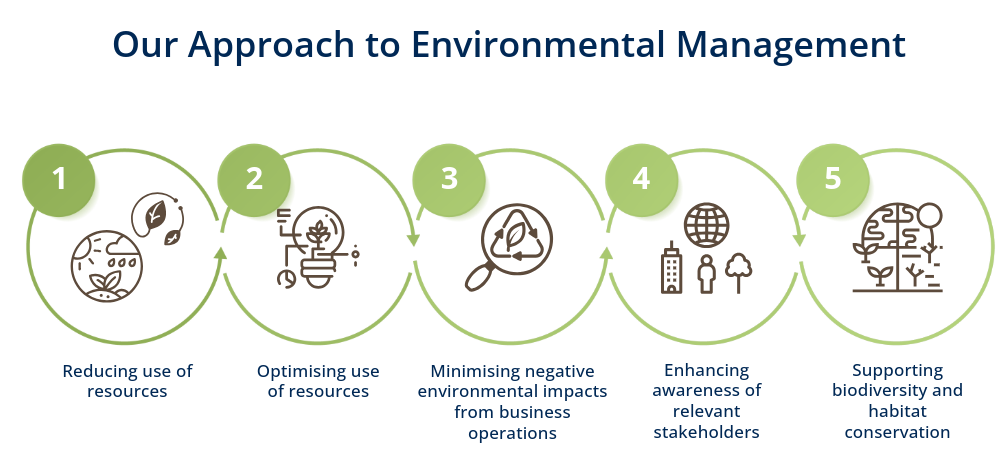
Valeura’s operations are governed by its Health, Safety and Sustainability Policy, implemented through a comprehensive HSSECQ management system. In relation to the environment, the system prioritises energy, water, waste, spill management, and air quality, and supports biodiversity in marine ecosystems.
The HSSECQ management system is reviewed annually and updated in line with relevant industry guidelines and international standards. In 2025, ISO 14001 (Environmental Management), ISO 9001 (Quality Management), and ISO 45001 (Occupational Health and Safety) certifications were renewed.
 
Valeura provides regular training to employees, contractors, and relevant stakeholders to ensure effective implementation of the HSSECQ management system and promote environmental stewardship to relevant stakeholders.
 
Energy Management

Our Strategy: Valeura’s production is entirely crude oil, with minimal associated gas generated during separation. A small amount of crude oil is used to heat storage tanks; however, operations primarily rely on diesel as the main energy source. Diesel is used for power generation on offshore facilities and storage vessels, contracted drilling rigs, and marine navigation.
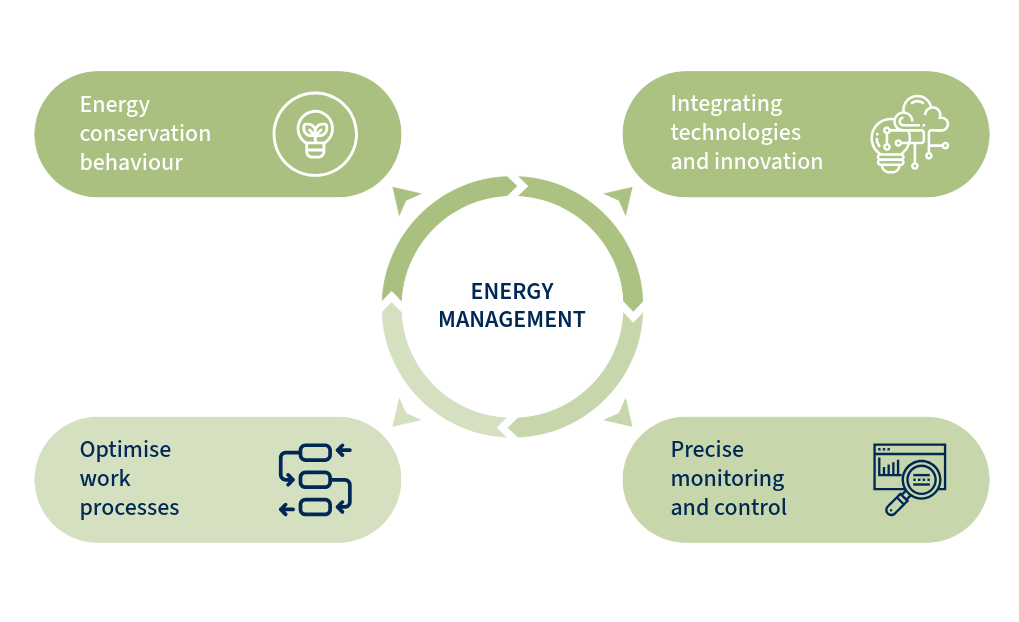
Our Actions: In 2025, Valeura implemented measures to monitor energy consumption and identify conservation opportunities. An advanced energy dashboard was introduced to audit energy-intensive processes and track performance, including initiatives such as supplementing gas to reduce diesel use while maintaining energy output and improving efficiency.
 
In addition, the Company developed new approaches to drive behavioural and procedural change to reduce energy consumption.

Under the Company’s “VEGO1” training platform, Valeura is introducing an “energy-efficient consumption” training programme which includes:

  • Energy Efficiency Awareness Training
  • Energy Efficiency
  • Personal Energy Consumption
 

Water Management

All offshore production facilities are designed with water separation and reinjection systems. Produced water is fully reinjected into reservoirs, as overboard discharge is not permitted under Thai regulations. Contaminated wastewater from offshore operations is transported to onshore treatment facilities for safe disposal.

Non-contaminated wastewater is internally treated to a maximum oil-in-water threshold of 15 ppm before discharge, in compliance with MARPOL standards. Offshore sewage wastewater treatment is monitored and analysed, including its chemical concentration. Results must meet MARPOL requirements, and inspections are conducted twice annually. 

Freshwater requirements, including potable water, are met through purified seawater or third-party supply from onshore. Operational activity increased in 2025, resulting in higher overall water consumption compared to 2024. 

Waste Management

Valeura’s waste management system covers both offshore and onshore operations. Waste streams, including drill cuttings, muds, solids, gases, sludge, and by-products, are managed at each operational stage. Post-consumption waste is segregated into recyclable, non-hazardous, and hazardous categories, with disposal handled by certified third parties.

Contracted providers are monitored through transportation tracking, waste manifests, and reporting. Data are reported to Thailand’s Department of Mineral Fuels (DMF). The system complies with applicable standards of the Department of Industrial Works (DIW), the International Maritime Organisation (IMO), and MARPOL, and is ISO 14001-certified.

Valeura is implementing waste quantification for both onshore (office) and offshore operations, including warehouses. A waste management dashboard is currently in place for offshore operations only. These initiatives align with the current waste regulations.

Spills Management

Valeura maintains a comprehensive spill management framework focused on prevention through asset integrity and operational controls. The framework defines roles and responsibilities, mandates training, and includes spill detection systems and standby emergency response equipment. All spills are recorded and reported in accordance with local regulations.
 

Biodiversity Management

Valeura assesses potential impacts on marine biodiversity arising from offshore operations and conducts marine biodiversity assessments every three years. The Company supports conservation, scientific research and public education initiatives related to coastal and marine ecosystems, which protect habitats, strengthen coastal resilience and function as carbon sinks.
Evaluation of Performance

Energy Efficiency

Diesel fuel remains the primary energy source for offshore power generation, accounting for approximately 70% of total energy consumption in 2025. Improving diesel generator efficiency remains a priority.

Energy Intensity Infographic
Energy Intensity (GJ/MBOE)
2023
2024
2025
13.4%
Lower Energy Intensity
Total Energy Consumption (GJ)
2023
2024
2025
Total Petroleum Production (MBOE)
2023
2024
2025

In July 2025, a Gas Turbine Generator was launched at the Jasmine field, utilising small volumes of associated gas to reduce diesel consumption. This resulted in energy savings of over 68,583 GJ in 2025.

Diesel is also the main fuel for marine navigation. In 2025, Valeura implemented a Diesel Consumption Reduction Programme to optimise fuel use through improved planning, eco-speed strategies, increased buoy mooring time, and discontinuation of marine vessel standby during helicopter landings. These measures delivered savings of more than 103,383 GJ compared to the 2024 baseline.

Total energy consumption in 2025 decreased by 12.5% compared to 2024, reflecting improved energy efficiency and management practices.

Water Management

In 2025, Valeura generated 97.6 million bbls of produced water. All volumes were safely reinjected into underground reservoirs. No produced water was discharged to the sea.

Waste Reduction

In 2025, Valeura implemented waste-reduction initiatives focused on behavioural change, including paperless documentation, the use of reusable bottles, the elimination of single-use plastics, the installation of waste-segregation stations, and sustainability training under the Offshore Sustainability Campaign.

An organisation-wide waste reporting system was established to improve the accuracy and transparency of waste data.

Total waste generation increased by 9% compared to 2024, due to a full year of operations, including the new Nong Yao C facility installed in 2024. Hazardous waste increased by 3.4%, and recycled waste increased by 71%, reflecting improved waste handling processes, material substitution, and enhanced recycling partnerships with certified processors.

Promoting Spills Preparedness

Valeura maintains active coordination with regulators, industry peers and specialised oil spill response providers to strengthen emergency readiness.

In 2025, the Company conducted internal spill response exercises, including verification of onsite response equipment. These drills were delivered in partnership with an external oil spill response service provider and structured as joint emergency response rehearsals.

Biodiversity Management

Valeura undertakes environmental monitoring at Jasmine, Manora, and Nong Yao every three years, and annually at Wassana, in accordance with its Environmental Impact Assessment (EIA) commitments. Monitoring covers seawater quality, seabed sediment, and heavy metal concentrations in fish tissue. Results confirm compliance with standards set by the Office of the National Environment Board. Biodiversity indicators, including species richness and distribution near operational areas, remained stable between 2024 and 2025.

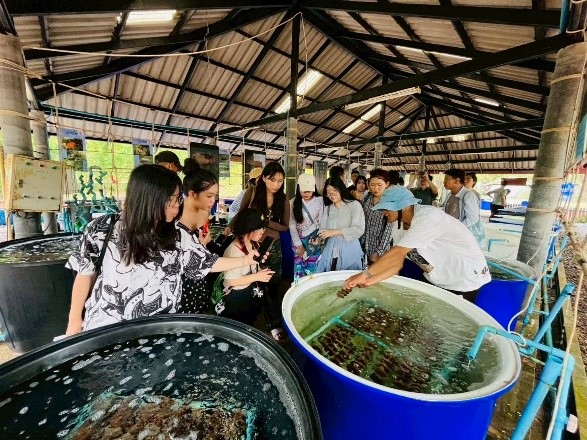
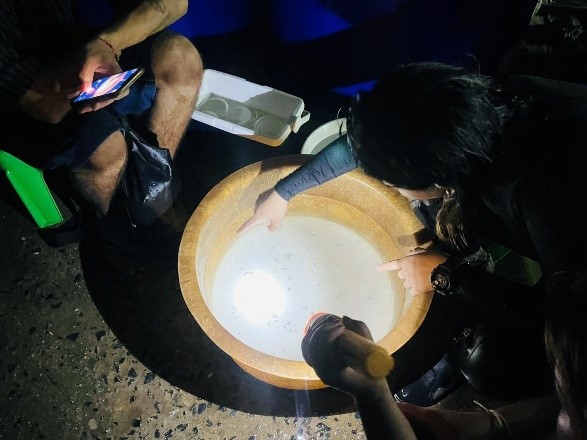
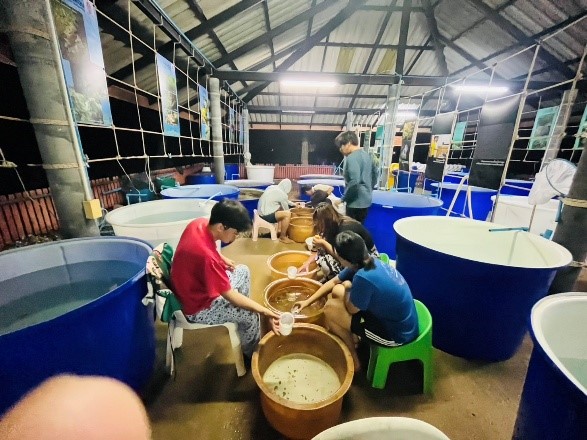
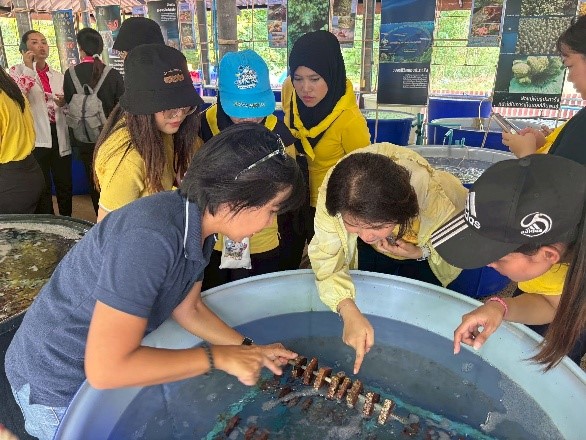
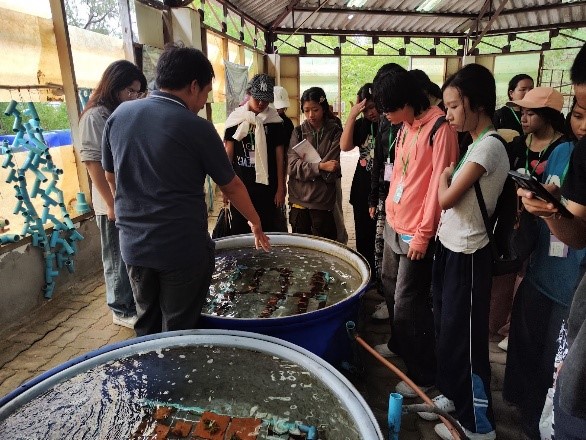
In 2025, Valeura launched the Coral Restoration and Marine Conservation 2025 project in partnership with the Marine Science Research Centre of Chulalongkorn University. The initiative supports reef restoration at Si Chang Island and Samae Sarn Island in the Gulf of Thailand.

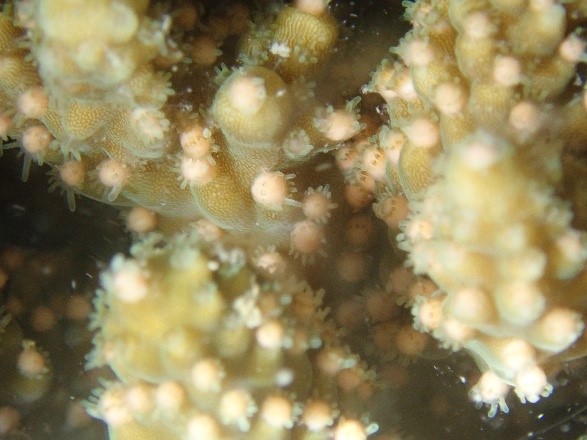
The project uses a coral cultivation method based on sexual reproduction, in which fertilised larvae are transplanted to degraded reef areas. Developed through collaboration between Chulalongkorn University’s Reef Biology Research Group, the Plant Genetic Conservation Project under the Royal Initiative of Her Royal Highness Princess Maha Chakri Sirindhorn (RSPG Project), and the Naval Special Warfare Command, the approach enhances genetic diversity and improves coral survival rates. Juvenile corals cultivated under this method have demonstrated resilience to coral bleaching events in 2010, 2016, and 2024.

Restoration efforts also include artificial reef deployment and transplantation of resilient coral fragments grown in university nurseries. In 2025, over 33 Valeura employees contributed more than 200 volunteer hours through coral planting, marine debris removal and participation in conservation workshops.

Valeura’s participation in these biodiversity initiatives remains ongoing in 2026.

Sustainability Site Map